Buy minimap.eu ?
We are moving the project
minimap.eu .
Are you interested in purchasing the domain
minimap.eu ?
domain@kv-gmbh.de · 0541-91531010
Buy minimap.eu ?
What is a Ridex cabin air filter?
A Ridex cabin air filter is a type of air filter designed specifically for the cabin of a vehicle. It is installed in the HVAC system of the car to help improve the air quality inside the cabin by filtering out dust, pollen, and other airborne particles. This can help reduce allergens and pollutants inside the vehicle, creating a cleaner and healthier environment for the occupants. Ridex cabin air filters are typically made with high-quality materials and are designed to be a direct replacement for the original filter in the vehicle. **
What does the fuel low-pressure sensor do?
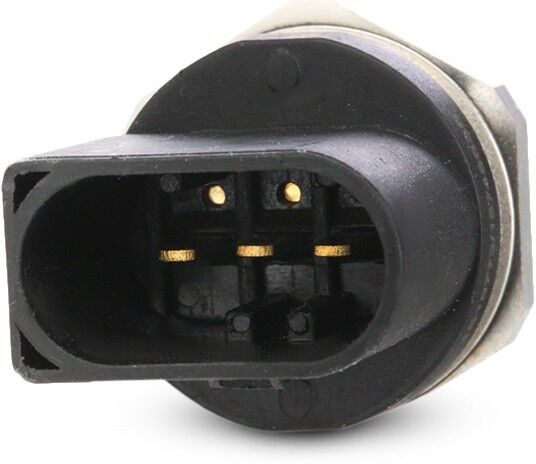
The fuel low-pressure sensor is responsible for monitoring the pressure of the fuel in the fuel system. It detects when the fuel pressure drops below a certain threshold, indicating that there may be an issue with the fuel system such as a leak or a clog. When the sensor detects low fuel pressure, it sends a signal to the vehicle's engine control unit (ECU) to alert the driver through a warning light on the dashboard. This helps prevent potential damage to the engine and ensures the vehicle operates efficiently. **


Similar search terms for RIDEX-3996P0009-Fuel-pressure
Top-Angebote
Products related to RIDEX-3996P0009-Fuel-pressure:
-
RIDEX 3942S0018 Fuel pressure sensorSupplementary Article / Supplementary Info Info 2: High-pressure Side; Fuel Mixture Formation: Direct Injection, Common Rail (CR); Pressure to [bar]: 1500; Thread Size: M18X1,5; Engine Code: G9T 722, G9T 700, 192 A1.000, G9U 720, 188 A7.000<M25>, 186 A8.000<M7/EU3>, G9T 742, 223 A7.000, G9U 754, G9T 706; not for emissions standard: Euro 529,99 £*Shipping: 8,45 £Secure redirect to the provider
-
RIDEX 3942S0013 Fuel pressure sensorNumber of pins: 3; Connecting thread: M12x1.5; TecDoc Engine Number: 20147; for RPO number from: 10101; for RPO number up to: 10618; Manufacturer Restriction: Bosch; Emissions Standard: Euro 3 (D3), Euro 4 (D4); Engine Code: DV6TED417,49 £*Shipping: 8,45 £Secure redirect to the provider


-
What does the low-pressure fuel sensor do?
The low-pressure fuel sensor is responsible for monitoring the fuel pressure in the fuel system of a vehicle. It detects any fluctuations or drops in fuel pressure and sends this information to the engine control unit. This data helps the engine control unit adjust the fuel delivery to ensure optimal engine performance and fuel efficiency. If the sensor detects a significant drop in fuel pressure, it can trigger a warning light on the dashboard to alert the driver of a potential issue. **
-
How can you save fuel by choosing fuel-efficient routes?
You can save fuel by choosing fuel-efficient routes because these routes are often designed to minimize stops and idling, which can waste fuel. Fuel-efficient routes may also avoid traffic congestion and hills, which can increase fuel consumption. By selecting the most direct and smooth routes, you can reduce the overall distance traveled and the amount of fuel needed to reach your destination. Additionally, using GPS navigation systems or apps that provide real-time traffic updates can help you choose the most efficient route based on current road conditions. **
-
Which route saves more fuel?
The route that saves more fuel is the one that is more direct and has fewer stops or traffic delays. By minimizing the distance traveled and avoiding unnecessary idling or acceleration, drivers can reduce fuel consumption. Additionally, choosing highways or roads with higher speed limits can also help save fuel by allowing for more efficient driving at a consistent speed. **
-
How can one save fuel by choosing economical routes?
One can save fuel by choosing economical routes by avoiding heavy traffic areas, opting for routes with fewer stops and starts, and selecting roads with lower speed limits. By driving at a consistent speed and avoiding sudden accelerations and decelerations, fuel efficiency can be maximized. Additionally, using GPS navigation systems that offer fuel-saving route options can help drivers choose the most efficient path to their destination. **

How can you save fuel by choosing economical routes?
You can save fuel by choosing economical routes through several ways. One way is to avoid congested areas and traffic jams, as idling and frequent stops can waste fuel. Another way is to choose routes with smoother roads and fewer hills, as constant acceleration and deceleration on hilly terrain can increase fuel consumption. Additionally, using GPS or fuel-saving apps to find the most efficient routes can help you save fuel by reducing the distance traveled and time spent on the road. **
What causes increased fuel consumption when using the navigation system?
Increased fuel consumption when using the navigation system can be caused by several factors. One reason is that the navigation system may suggest routes with heavy traffic or frequent stops, leading to more fuel being used. Additionally, the constant use of the GPS and screen display can drain the car's battery, causing the engine to work harder to recharge it, thus using more fuel. Lastly, the added weight of the GPS device or smartphone can also contribute to increased fuel consumption. **
Top-Angebote
Products related to RIDEX-3996P0009-Fuel-pressure:
-
RIDEX 3942S0018 Fuel pressure sensorSupplementary Article / Supplementary Info Info 2: High-pressure Side; Fuel Mixture Formation: Direct Injection, Common Rail (CR); Pressure to [bar]: 1500; Thread Size: M18X1,5; Engine Code: G9T 722, G9T 700, 192 A1.000, G9U 720, 188 A7.000<M25>, 186 A8.000<M7/EU3>, G9T 742, 223 A7.000, G9U 754, G9T 706; not for emissions standard: Euro 529,99 £*Shipping: 8,45 £Secure redirect to the provider
-
RIDEX 3942S0013 Fuel pressure sensorNumber of pins: 3; Connecting thread: M12x1.5; TecDoc Engine Number: 20147; for RPO number from: 10101; for RPO number up to: 10618; Manufacturer Restriction: Bosch; Emissions Standard: Euro 3 (D3), Euro 4 (D4); Engine Code: DV6TED417,49 £*Shipping: 8,45 £Secure redirect to the provider
-
What is a Ridex cabin air filter?
A Ridex cabin air filter is a type of air filter designed specifically for the cabin of a vehicle. It is installed in the HVAC system of the car to help improve the air quality inside the cabin by filtering out dust, pollen, and other airborne particles. This can help reduce allergens and pollutants inside the vehicle, creating a cleaner and healthier environment for the occupants. Ridex cabin air filters are typically made with high-quality materials and are designed to be a direct replacement for the original filter in the vehicle. **
-
What does the fuel low-pressure sensor do?
The fuel low-pressure sensor is responsible for monitoring the pressure of the fuel in the fuel system. It detects when the fuel pressure drops below a certain threshold, indicating that there may be an issue with the fuel system such as a leak or a clog. When the sensor detects low fuel pressure, it sends a signal to the vehicle's engine control unit (ECU) to alert the driver through a warning light on the dashboard. This helps prevent potential damage to the engine and ensures the vehicle operates efficiently. **
-
What does the low-pressure fuel sensor do?
The low-pressure fuel sensor is responsible for monitoring the fuel pressure in the fuel system of a vehicle. It detects any fluctuations or drops in fuel pressure and sends this information to the engine control unit. This data helps the engine control unit adjust the fuel delivery to ensure optimal engine performance and fuel efficiency. If the sensor detects a significant drop in fuel pressure, it can trigger a warning light on the dashboard to alert the driver of a potential issue. **
-
How can you save fuel by choosing fuel-efficient routes?
You can save fuel by choosing fuel-efficient routes because these routes are often designed to minimize stops and idling, which can waste fuel. Fuel-efficient routes may also avoid traffic congestion and hills, which can increase fuel consumption. By selecting the most direct and smooth routes, you can reduce the overall distance traveled and the amount of fuel needed to reach your destination. Additionally, using GPS navigation systems or apps that provide real-time traffic updates can help you choose the most efficient route based on current road conditions. **
Similar search terms for RIDEX-3996P0009-Fuel-pressure
-
RIDEX 3942S0046 Fuel pressure sensorSupplementary Article / Supplementary Info Info 2: High-pressure Side; Fuel Mixture Formation: Direct Injection; Fuel Mixture Formation: Common Rail (CR); Thread Size: M18X1,5; Construction Year to: 06/2013, 06/2014, 02/2015, 05/2012, 06/2012, 09/2016, 05/2018, 06/2015, 08/2008, 06/2018, 09/2013, 10/2013, 02/2010, 08/2010, 10/2011, 08/2018, 06/2016, 05/2015, 10/2014, 06/2011, 02/2016, 11/2014; Construction Year from: 09/2007, 09/2011, 03/2011, 02/2012, 03/2010, 09/2005, 11/2013, 03/2007, 10/2007, 11/2008, 09/2008, 05/2009, 03/2009, 11/2009, 10/2009, 09/2010, 10/2010, 06/2013, 09/2012, 07/2012, 03/2014, 11/2012, 03/2013, 04/2010, 07/2013, 09/2013, 06/2014, 11/2014, 03/2018, 03/2008, 07/2014; TecDoc Engine Number: 24405, 19922, 20845, 26347, 24613; Emissions Standard: Euro 5; Engine Code: 30 6D 3<M 57N2>, N47 D20C, B37 C15A<B37B>35,99 £*Shipping: 8,45 £Secure redirect to the provider
-
Which route saves more fuel?
The route that saves more fuel is the one that is more direct and has fewer stops or traffic delays. By minimizing the distance traveled and avoiding unnecessary idling or acceleration, drivers can reduce fuel consumption. Additionally, choosing highways or roads with higher speed limits can also help save fuel by allowing for more efficient driving at a consistent speed. **
-
How can one save fuel by choosing economical routes?
One can save fuel by choosing economical routes by avoiding heavy traffic areas, opting for routes with fewer stops and starts, and selecting roads with lower speed limits. By driving at a consistent speed and avoiding sudden accelerations and decelerations, fuel efficiency can be maximized. Additionally, using GPS navigation systems that offer fuel-saving route options can help drivers choose the most efficient path to their destination. **
-
How can you save fuel by choosing economical routes?
You can save fuel by choosing economical routes through several ways. One way is to avoid congested areas and traffic jams, as idling and frequent stops can waste fuel. Another way is to choose routes with smoother roads and fewer hills, as constant acceleration and deceleration on hilly terrain can increase fuel consumption. Additionally, using GPS or fuel-saving apps to find the most efficient routes can help you save fuel by reducing the distance traveled and time spent on the road. **
-
What causes increased fuel consumption when using the navigation system?
Increased fuel consumption when using the navigation system can be caused by several factors. One reason is that the navigation system may suggest routes with heavy traffic or frequent stops, leading to more fuel being used. Additionally, the constant use of the GPS and screen display can drain the car's battery, causing the engine to work harder to recharge it, thus using more fuel. Lastly, the added weight of the GPS device or smartphone can also contribute to increased fuel consumption. **
* All prices are inclusive of VAT and, if applicable, plus shipping costs. The offer information is based on the details provided by the respective shop and is updated through automated processes. Real-time updates do not occur, so deviations can occur in individual cases. ** Note: Parts of this content were created by AI.