Buy minimap.eu ?
We are moving the project
minimap.eu .
Are you interested in purchasing the domain
minimap.eu ?
domain@kv-gmbh.de · 0541-91531010
Buy minimap.eu ?
What do stage directions achieve?
Stage directions achieve several important functions in a play. They provide guidance to the actors on how to move and interact with the set and other characters, helping to bring the script to life. They also give insight into the setting and atmosphere of the scene, helping to create a vivid and immersive experience for the audience. Additionally, stage directions can convey important information about the characters' emotions, intentions, and relationships, adding depth and nuance to the performance. Overall, stage directions play a crucial role in shaping the visual and emotional aspects of a theatrical production. **
What are stage directions in a presentation?
Stage directions in a presentation are instructions or guidance provided to the speaker regarding their movements, gestures, and positioning on stage. They help the speaker navigate the physical space and interact effectively with the audience. Stage directions can include cues for when to move, where to stand, when to make eye contact, and how to use visual aids or props. Following stage directions can enhance the overall delivery and impact of a presentation. **


Similar search terms for Stage
Top-Angebote
Products related to Stage:
-
Scholastic National Curriculum Handbook Subject Leader Guide For English Key Stage 1-3National Curriculum Handbook Subject Leader Guide for English Key Stage 1-3 Description: Get ready for the biggest curriculum change in more than a decade! To help coordinators to deliver the new curriculum; Scholastic has published the first complete printed programme of study for key stages 1-3 in English. Each guide also provides a wealth of subject leader support including: an overview of the main changes to the curriculum; an overview of the subject leader's role at times of curriculum change; priority areas at each key stage; how to add creativity to the new curriculum; helpful subject leader's check-list. Scholastic; publisher of the best-selling 100 Lessons series; has partnered with Babcock Learning and Development Partnership (Devon Local Authority); one of the UK's leading school improvement services; to develop these essential subject guides.9,99 £*Shipping: 2,99 £Secure redirect to the provider
-
Ushio U-Stage NSL-132 2R Super High-Pressure Discharge Stage Lamp - 5002463Specifications: Product Code: 5002463 (2R) Lumen: 5150 lm Color Temperature: 8000K Watts: 132W Volts: 69V Arc Gap: 0.8mm Burn Position: Universal Working Distance: 37.7 mm Average Rated Life: 6000 h Dimensions: 46 x 45 mm Features & Applications:...89,99 $*Shipping: 0,00 $Secure redirect to the provider
-
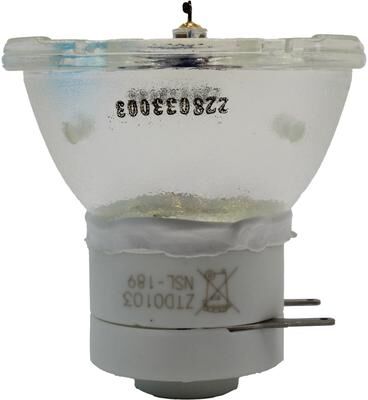
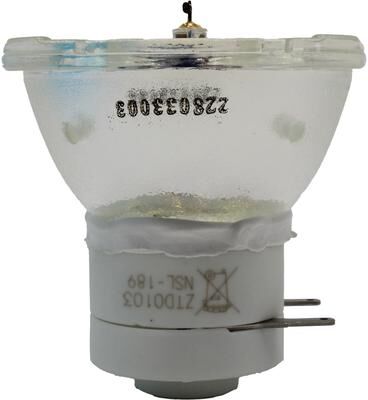
Ushio U-Stage NSL-189 5R Super High-Pressure Discharge Stage Lamp - 5002464Specifications: Product Code: 5002464 (5R) Lumen: 8000 lm Arc Gap: 0.9mm Burn Position: Universal Color Temperature: 8000K Watts: 189W Volts: 75V Working Distance: 34.5 mm Average Rated Life: 2000 h Dimensions: 51 x 56 mm Features & Applications:...97,99 $*Shipping: 0,00 $Secure redirect to the provider
-
Ushio U-Stage 2R High-Pressure Stage Lamp for the EK Lighting M130Ushio U-Stage 2R High-Pressure Stage Lamp for the EK Lighting M130 Specifications: Product Code: EK Lighting M130 (2R) Lumen: 5150 lm Color Temperature: 8000K Watts: 132W Volts: 69V Arc Gap: 0.8mm Burn Position: Universal Working Distance: 37.7 mm...89,99 $*Shipping: 0,00 $Secure redirect to the provider



-
What are the stage directions in The Physicists?
The stage directions in The Physicists are detailed and specific, providing guidance for the actors and production team. They describe the physical movements, positioning, and interactions of the characters, as well as the use of props and set design. The stage directions also convey the tone and atmosphere of the scenes, helping to create the overall mood of the play. Additionally, they may include instructions for lighting, sound effects, and other technical elements of the production. **
-
What do these stage directions aim to convey?
These stage directions aim to convey the physical and emotional state of the character. They provide guidance for the actor on how to move and behave on stage, as well as insight into the character's thoughts and feelings. Additionally, they help set the tone and atmosphere of the scene, giving the audience a deeper understanding of the character's inner world. Overall, these stage directions aim to enhance the audience's understanding and connection to the character and the story. **
-
What is the extended stage and what is the main stage?
The extended stage refers to the area surrounding the main stage in a theater or performance venue. It includes the wings, backstage area, and any additional space used for set changes, prop storage, and actor entrances and exits. The main stage, on the other hand, is the central performance area where the main action of the play or performance takes place. It is the focal point of the audience's attention and where the primary scenes and interactions between characters occur. **
-
What are stage forms?
Stage forms refer to the different types of theatrical productions that can be performed on stage. These forms can include plays, musicals, operas, ballets, and other types of performances. Each stage form has its own unique characteristics, such as the use of dialogue, music, dance, and visual elements, that contribute to the overall storytelling and artistic expression of the production. Different stage forms can cater to different audiences and artistic preferences, offering a diverse range of experiences for theatergoers. **

What is stage fright?
Stage fright is a feeling of nervousness or anxiety that arises when a person is about to perform in front of an audience. It can manifest as physical symptoms such as sweating, trembling, or a racing heart. Stage fright can affect anyone, from seasoned performers to first-time speakers, and is a common experience for many people. It is often caused by a fear of judgment or failure, and can be managed through techniques such as deep breathing, visualization, and practice. **
What are stage shapes?
Stage shapes refer to the different configurations or layouts that a stage can take on for a performance. These shapes can include proscenium, thrust, arena, and black box stages, each with its own unique characteristics and advantages. The choice of stage shape can impact the audience experience, sightlines, acoustics, and overall atmosphere of a performance. Different types of performances may benefit from different stage shapes depending on the desired interaction between performers and audience. **
Top-Angebote
Products related to Stage:
-
Uplifted Finds 2026 Tactical Offline Map Smartwatch 4GB Route Navigation & GPS Executive 10ATM Waterproof Military Outdoor System blue"Inaugurate a powerful ""IntelligenceSanctuary"" energy in your environment with our ultimate 2026 tactical solution. The 2026 Military Offline Map Smartwatch is the ultimate designer choice for creating a ""PrecisionModern"" or ""ExecutiveStudioLuxe""..."316,97 $*Shipping: 0,00 $Secure redirect to the provider
-
Ushio U-Stage 2R High-Pressure Stage Lamp for the Robe MiniPointeUshio U-Stage 2R High-Pressure Stage Lamp for the Robe MiniPointe Specifications: Product Code: Robe MiniPointe (2R) Lumen: 5150 lm Color Temperature: 8000K Watts: 132W Volts: 69V Arc Gap: 0.8mm Burn Position: Universal Working Distance: 37.7 mm...89,99 $*Shipping: 0,00 $Secure redirect to the provider
-
Scholastic National Curriculum Handbook Subject Leader Guide For English Key Stage 1-3National Curriculum Handbook Subject Leader Guide for English Key Stage 1-3 Description: Get ready for the biggest curriculum change in more than a decade! To help coordinators to deliver the new curriculum; Scholastic has published the first complete printed programme of study for key stages 1-3 in English. Each guide also provides a wealth of subject leader support including: an overview of the main changes to the curriculum; an overview of the subject leader's role at times of curriculum change; priority areas at each key stage; how to add creativity to the new curriculum; helpful subject leader's check-list. Scholastic; publisher of the best-selling 100 Lessons series; has partnered with Babcock Learning and Development Partnership (Devon Local Authority); one of the UK's leading school improvement services; to develop these essential subject guides.9,99 £*Shipping: 2,99 £Secure redirect to the provider
-
Ushio U-Stage NSL-132 2R Super High-Pressure Discharge Stage Lamp - 5002463Specifications: Product Code: 5002463 (2R) Lumen: 5150 lm Color Temperature: 8000K Watts: 132W Volts: 69V Arc Gap: 0.8mm Burn Position: Universal Working Distance: 37.7 mm Average Rated Life: 6000 h Dimensions: 46 x 45 mm Features & Applications:...89,99 $*Shipping: 0,00 $Secure redirect to the provider
-
What do stage directions achieve?
Stage directions achieve several important functions in a play. They provide guidance to the actors on how to move and interact with the set and other characters, helping to bring the script to life. They also give insight into the setting and atmosphere of the scene, helping to create a vivid and immersive experience for the audience. Additionally, stage directions can convey important information about the characters' emotions, intentions, and relationships, adding depth and nuance to the performance. Overall, stage directions play a crucial role in shaping the visual and emotional aspects of a theatrical production. **
-
What are stage directions in a presentation?
Stage directions in a presentation are instructions or guidance provided to the speaker regarding their movements, gestures, and positioning on stage. They help the speaker navigate the physical space and interact effectively with the audience. Stage directions can include cues for when to move, where to stand, when to make eye contact, and how to use visual aids or props. Following stage directions can enhance the overall delivery and impact of a presentation. **
-
What are the stage directions in The Physicists?
The stage directions in The Physicists are detailed and specific, providing guidance for the actors and production team. They describe the physical movements, positioning, and interactions of the characters, as well as the use of props and set design. The stage directions also convey the tone and atmosphere of the scenes, helping to create the overall mood of the play. Additionally, they may include instructions for lighting, sound effects, and other technical elements of the production. **
-
What do these stage directions aim to convey?
These stage directions aim to convey the physical and emotional state of the character. They provide guidance for the actor on how to move and behave on stage, as well as insight into the character's thoughts and feelings. Additionally, they help set the tone and atmosphere of the scene, giving the audience a deeper understanding of the character's inner world. Overall, these stage directions aim to enhance the audience's understanding and connection to the character and the story. **
Similar search terms for Stage
-
Ushio U-Stage NSL-189 5R Super High-Pressure Discharge Stage Lamp - 5002464Specifications: Product Code: 5002464 (5R) Lumen: 8000 lm Arc Gap: 0.9mm Burn Position: Universal Color Temperature: 8000K Watts: 189W Volts: 75V Working Distance: 34.5 mm Average Rated Life: 2000 h Dimensions: 51 x 56 mm Features & Applications:...97,99 $*Shipping: 0,00 $Secure redirect to the provider
-
Ushio U-Stage 2R High-Pressure Stage Lamp for the EK Lighting M130Ushio U-Stage 2R High-Pressure Stage Lamp for the EK Lighting M130 Specifications: Product Code: EK Lighting M130 (2R) Lumen: 5150 lm Color Temperature: 8000K Watts: 132W Volts: 69V Arc Gap: 0.8mm Burn Position: Universal Working Distance: 37.7 mm...89,99 $*Shipping: 0,00 $Secure redirect to the provider
-
Ushio U-Stage 5R High Pressure Stage Lamp for the ADJ Ninja 5RXUshio U-Stage 5R High Pressure Stage Lamp for the ADJ Ninja 5RX Specifications: Product Code: ADJ Ninja 5RX (5R) Lumen: 8000 lm Color Temperature: 8000K Watts: 189W Volts: 75V Arc Gap: 0.9mm Burn Position: Universal Working Distance: 34.5 mm Average...97,99 $*Shipping: 0,00 $Secure redirect to the provider
-
Uplifted Finds 2026 Tactical Offline Map Smartwatch 4GB Route Navigation & GPS Executive 10ATM Waterproof Military Outdoor System orange"Inaugurate a powerful ""IntelligenceSanctuary"" energy in your environment with our ultimate 2026 tactical solution. The 2026 Military Offline Map Smartwatch is the ultimate designer choice for creating a ""PrecisionModern"" or ""ExecutiveStudioLuxe""..."316,97 $*Shipping: 0,00 $Secure redirect to the provider
-
What is the extended stage and what is the main stage?
The extended stage refers to the area surrounding the main stage in a theater or performance venue. It includes the wings, backstage area, and any additional space used for set changes, prop storage, and actor entrances and exits. The main stage, on the other hand, is the central performance area where the main action of the play or performance takes place. It is the focal point of the audience's attention and where the primary scenes and interactions between characters occur. **
-
What are stage forms?
Stage forms refer to the different types of theatrical productions that can be performed on stage. These forms can include plays, musicals, operas, ballets, and other types of performances. Each stage form has its own unique characteristics, such as the use of dialogue, music, dance, and visual elements, that contribute to the overall storytelling and artistic expression of the production. Different stage forms can cater to different audiences and artistic preferences, offering a diverse range of experiences for theatergoers. **
-
What is stage fright?
Stage fright is a feeling of nervousness or anxiety that arises when a person is about to perform in front of an audience. It can manifest as physical symptoms such as sweating, trembling, or a racing heart. Stage fright can affect anyone, from seasoned performers to first-time speakers, and is a common experience for many people. It is often caused by a fear of judgment or failure, and can be managed through techniques such as deep breathing, visualization, and practice. **
-
What are stage shapes?
Stage shapes refer to the different configurations or layouts that a stage can take on for a performance. These shapes can include proscenium, thrust, arena, and black box stages, each with its own unique characteristics and advantages. The choice of stage shape can impact the audience experience, sightlines, acoustics, and overall atmosphere of a performance. Different types of performances may benefit from different stage shapes depending on the desired interaction between performers and audience. **
* All prices are inclusive of VAT and, if applicable, plus shipping costs. The offer information is based on the details provided by the respective shop and is updated through automated processes. Real-time updates do not occur, so deviations can occur in individual cases. ** Note: Parts of this content were created by AI.