Buy minimap.eu ?
We are moving the project
minimap.eu .
Are you interested in purchasing the domain
minimap.eu ?
domain@kv-gmbh.de · 0541-91531010
Buy minimap.eu ?
What are trophic levels and trophic structures?
Trophic levels refer to the hierarchical levels in an ecosystem through which energy and nutrients flow. They represent the feeding positions of different organisms in a food chain or food web. Trophic structures, on the other hand, describe the organization of these trophic levels within an ecosystem. This includes the distribution of energy and nutrients among different organisms, as well as the interactions and relationships between them. Overall, trophic levels and trophic structures are important concepts for understanding the flow of energy and nutrients in ecosystems and the dynamics of food chains and food webs. **
Are trophic levels and trophic levels the same in biology?
No, trophic levels and trophic levels are not the same in biology. Trophic levels refer to the hierarchical levels in an ecosystem based on an organism's position in the food chain, such as producers, primary consumers, secondary consumers, etc. On the other hand, trophic cascades are the indirect effects that occur when a change in one trophic level impacts other trophic levels in the ecosystem. Both concepts are important in understanding the dynamics of energy flow and interactions within ecosystems. **

Similar search terms for Trophic
Top-Angebote
Products related to Trophic:
-
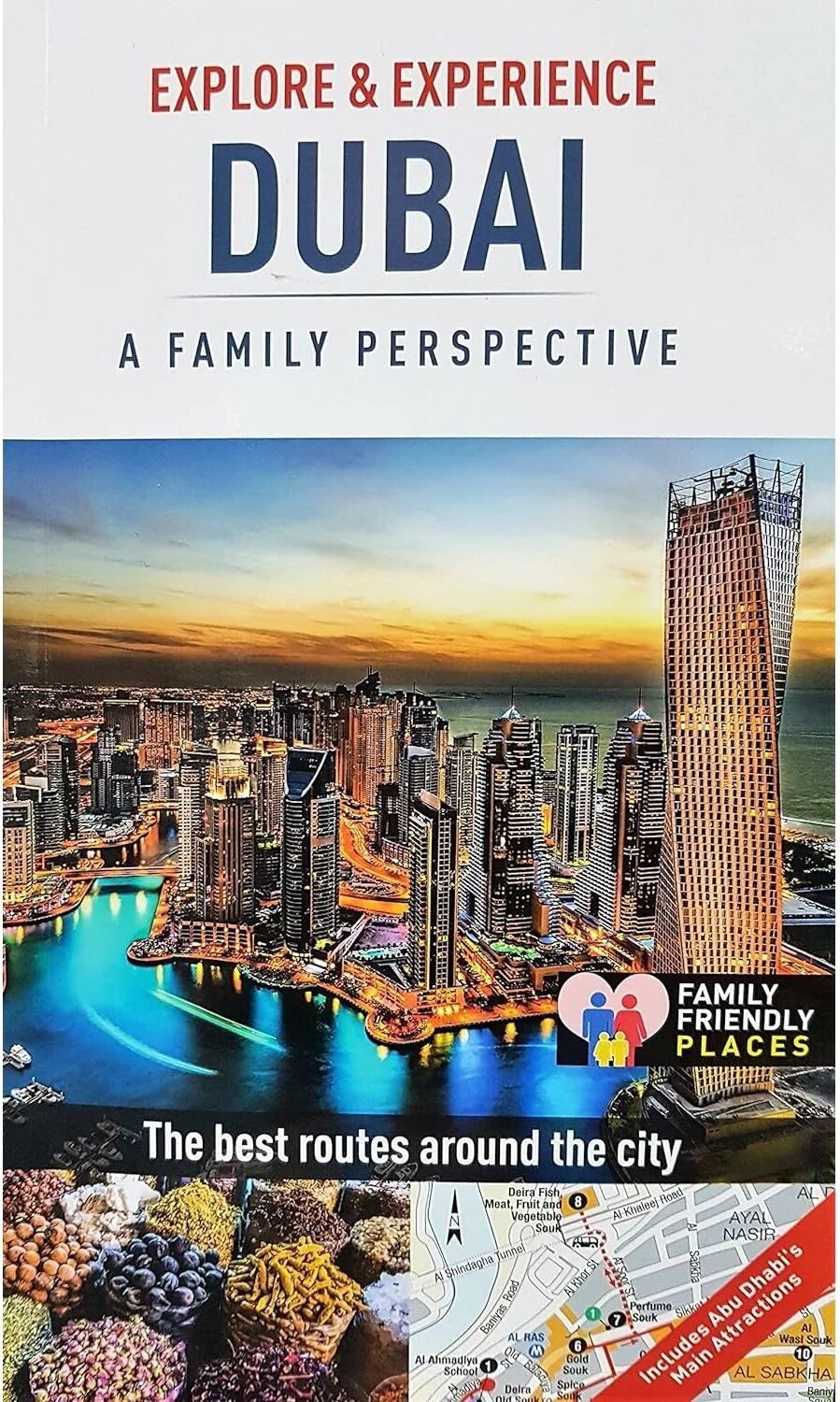
Zoblit Explore & Experience Dubai: A Family Perspective by Tim Blinks - Paperback Travel Guide - Honest Family Travel Insight for a Dubai HolidayExplore Dubai: A Family Perspective is a candid and practical travel account written for families planning a trip to Dubai. Author Tim Blinks draws on real family experience to guide readers through Dubai's attractions, culture, and everyday logistics. This book offers an accessible companion for parents weighing up where to take their children next. It's a useful addition to any travel bookshelf before a Gulf holiday. Written from a first-hand family viewpoint, this paperback shares practical insight into traveling to Dubai with children. Rather than simply listing hotels and landmarks, the narrative reflects on what actually works for families on the ground — from managing the heat and choosing activities suited to different age groups, to navigating the city's mix of ultra-modern development and traditional culture. The book is published by Zoblit and has the ISBN 9781911147411.2,99 £*Shipping: 2,99 £Secure redirect to the provider
-
Uplift Picks Offline Map GPS Navigation Smartwatch With 10ATM Waterproof Military Outdoor Sports Watch black gps Offline MapExplore with confidence using this powerful offline map smartwatch built for serious outdoor performance. Designed for adventurers and active users, it offers reliable navigation without needing constant connectivity. With advanced GPS navigation...277,98 $*Shipping: 0,00 $Secure redirect to the provider
-
Uplifted Finds 2026 Tactical Offline Map Smartwatch 4GB Route Navigation & GPS Executive 10ATM Waterproof Military Outdoor System orange"Inaugurate a powerful ""IntelligenceSanctuary"" energy in your environment with our ultimate 2026 tactical solution. The 2026 Military Offline Map Smartwatch is the ultimate designer choice for creating a ""PrecisionModern"" or ""ExecutiveStudioLuxe""..."316,97 $*Shipping: 0,00 $Secure redirect to the provider
-
Uplifted Finds 2026 Tactical Offline Map Smartwatch 4GB Route Navigation & GPS Executive 10ATM Waterproof Military Outdoor System black Steel 2a"Inaugurate a powerful ""IntelligenceSanctuary"" energy in your environment with our ultimate 2026 tactical solution. The 2026 Military Offline Map Smartwatch is the ultimate designer choice for creating a ""PrecisionModern"" or ""ExecutiveStudioLuxe""..."331,97 $*Shipping: 0,00 $Secure redirect to the provider


-
Are trophic levels and trophic levels the same thing in biology?
No, "trophic levels" and "trophic levels" are not the same thing in biology. "Trophic levels" refer to the hierarchical levels in an ecosystem based on an organism's position in the food chain, such as producers, primary consumers, secondary consumers, and so on. On the other hand, "trophic levels" appears to be a typographical error or a repetition of the term "trophic levels." In biology, it is important to use accurate and specific terminology to avoid confusion and miscommunication. **
-
Why do organisms become larger from trophic level to trophic level?
Organisms become larger from trophic level to trophic level due to the efficiency of energy transfer in ecosystems. As energy is transferred from one trophic level to the next, there is a loss of energy in the form of heat and metabolic processes. Larger organisms are able to consume more energy-rich food sources and have a more efficient metabolism, allowing them to grow in size as they move up the food chain. Additionally, larger organisms are better equipped to capture and consume prey, giving them a competitive advantage in obtaining energy and resources. **
-
Why do organisms get larger from trophic level to trophic level?
Organisms tend to get larger from one trophic level to the next because as energy is transferred up the food chain, there is a loss of energy at each level. This means that organisms at higher trophic levels need to consume larger quantities of organisms from lower trophic levels to obtain enough energy to sustain themselves. Additionally, larger organisms are more efficient at capturing and consuming prey, allowing them to thrive at higher trophic levels. Finally, larger organisms have a lower surface area to volume ratio, which helps them retain heat and energy more effectively. **
-
Why does the biomass decrease from trophic level to trophic level?
Biomass decreases from trophic level to trophic level because energy is lost as it moves through the food chain. Organisms at each trophic level use some of the energy they consume for their own metabolic processes, such as respiration and movement, and the rest is lost as heat. This means that there is less energy available to be passed on to the next trophic level, resulting in a decrease in biomass. Additionally, not all of the energy from one trophic level is consumed by the next level, as some is lost through waste and uneaten parts of organisms. **

What are trophic levels in biology?
Trophic levels in biology refer to the hierarchical levels in an ecosystem where organisms are grouped based on their feeding relationships. The primary producers, such as plants, are at the base of the trophic levels as they convert sunlight into energy through photosynthesis. Herbivores that feed on plants are at the next level, followed by carnivores that eat herbivores. Each trophic level represents a transfer of energy and nutrients through the ecosystem, with energy decreasing as it moves up the levels. **
What is the trophic level of omnivores?
Omnivores are organisms that consume both plants and animals, so their trophic level can vary. When they consume plants, they are considered primary consumers (herbivores) and when they consume animals, they are considered secondary consumers (carnivores). This means that omnivores can occupy multiple trophic levels within a food web, depending on their diet. **
Top-Angebote
Products related to Trophic:
-
Uplifted Finds 2026 Tactical Offline Map Smartwatch 4GB Route Navigation & GPS Executive 10ATM Waterproof Military Outdoor System blue"Inaugurate a powerful ""IntelligenceSanctuary"" energy in your environment with our ultimate 2026 tactical solution. The 2026 Military Offline Map Smartwatch is the ultimate designer choice for creating a ""PrecisionModern"" or ""ExecutiveStudioLuxe""..."316,97 $*Shipping: 0,00 $Secure redirect to the provider
-
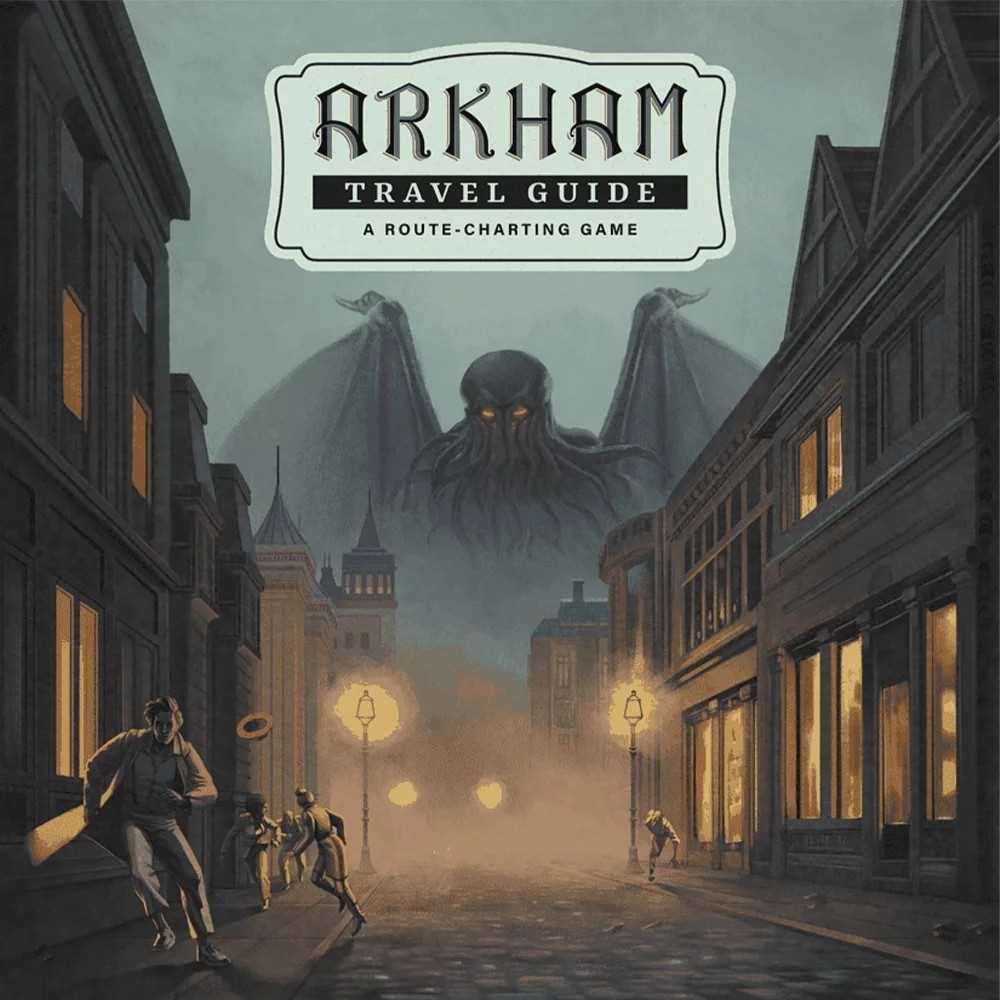
Arkham Travel Guide by Crowd Games - Board Game of Route-Building and Shared DecisionsExplore the grim and mysterious streets of Arkham, Massachusetts, in this atmospheric board game of route-building and shared decisions. Players act as guides, creating tour routes through a city filled with curious shops, mysterious gates, and unsettling locations. During play, dice determine the available choices, and players work together to decide where tourists can be drawn and how routes develop across the city. The changing dice results encourage discussion and create a different challenge from game to game. This game is set in the fictional city of Arkham, inspired by eerie mystery and dark fantasy. It's a great choice for fans of thematic board games and those who enjoy working together to achieve a common goal.19,06 £*Shipping: 3,95 £Secure redirect to the provider
-
Zoblit Explore & Experience Dubai: A Family Perspective by Tim Blinks - Paperback Travel Guide - Honest Family Travel Insight for a Dubai HolidayExplore Dubai: A Family Perspective is a candid and practical travel account written for families planning a trip to Dubai. Author Tim Blinks draws on real family experience to guide readers through Dubai's attractions, culture, and everyday logistics. This book offers an accessible companion for parents weighing up where to take their children next. It's a useful addition to any travel bookshelf before a Gulf holiday. Written from a first-hand family viewpoint, this paperback shares practical insight into traveling to Dubai with children. Rather than simply listing hotels and landmarks, the narrative reflects on what actually works for families on the ground — from managing the heat and choosing activities suited to different age groups, to navigating the city's mix of ultra-modern development and traditional culture. The book is published by Zoblit and has the ISBN 9781911147411.2,99 £*Shipping: 2,99 £Secure redirect to the provider
-
Uplift Picks Offline Map GPS Navigation Smartwatch With 10ATM Waterproof Military Outdoor Sports Watch black gps Offline MapExplore with confidence using this powerful offline map smartwatch built for serious outdoor performance. Designed for adventurers and active users, it offers reliable navigation without needing constant connectivity. With advanced GPS navigation...277,98 $*Shipping: 0,00 $Secure redirect to the provider
-
What are trophic levels and trophic structures?
Trophic levels refer to the hierarchical levels in an ecosystem through which energy and nutrients flow. They represent the feeding positions of different organisms in a food chain or food web. Trophic structures, on the other hand, describe the organization of these trophic levels within an ecosystem. This includes the distribution of energy and nutrients among different organisms, as well as the interactions and relationships between them. Overall, trophic levels and trophic structures are important concepts for understanding the flow of energy and nutrients in ecosystems and the dynamics of food chains and food webs. **
-
Are trophic levels and trophic levels the same in biology?
No, trophic levels and trophic levels are not the same in biology. Trophic levels refer to the hierarchical levels in an ecosystem based on an organism's position in the food chain, such as producers, primary consumers, secondary consumers, etc. On the other hand, trophic cascades are the indirect effects that occur when a change in one trophic level impacts other trophic levels in the ecosystem. Both concepts are important in understanding the dynamics of energy flow and interactions within ecosystems. **
-
Are trophic levels and trophic levels the same thing in biology?
No, "trophic levels" and "trophic levels" are not the same thing in biology. "Trophic levels" refer to the hierarchical levels in an ecosystem based on an organism's position in the food chain, such as producers, primary consumers, secondary consumers, and so on. On the other hand, "trophic levels" appears to be a typographical error or a repetition of the term "trophic levels." In biology, it is important to use accurate and specific terminology to avoid confusion and miscommunication. **
-
Why do organisms become larger from trophic level to trophic level?
Organisms become larger from trophic level to trophic level due to the efficiency of energy transfer in ecosystems. As energy is transferred from one trophic level to the next, there is a loss of energy in the form of heat and metabolic processes. Larger organisms are able to consume more energy-rich food sources and have a more efficient metabolism, allowing them to grow in size as they move up the food chain. Additionally, larger organisms are better equipped to capture and consume prey, giving them a competitive advantage in obtaining energy and resources. **
Similar search terms for Trophic
-
Uplifted Finds 2026 Tactical Offline Map Smartwatch 4GB Route Navigation & GPS Executive 10ATM Waterproof Military Outdoor System orange"Inaugurate a powerful ""IntelligenceSanctuary"" energy in your environment with our ultimate 2026 tactical solution. The 2026 Military Offline Map Smartwatch is the ultimate designer choice for creating a ""PrecisionModern"" or ""ExecutiveStudioLuxe""..."316,97 $*Shipping: 0,00 $Secure redirect to the provider
-
Uplifted Finds 2026 Tactical Offline Map Smartwatch 4GB Route Navigation & GPS Executive 10ATM Waterproof Military Outdoor System black Steel 2a"Inaugurate a powerful ""IntelligenceSanctuary"" energy in your environment with our ultimate 2026 tactical solution. The 2026 Military Offline Map Smartwatch is the ultimate designer choice for creating a ""PrecisionModern"" or ""ExecutiveStudioLuxe""..."331,97 $*Shipping: 0,00 $Secure redirect to the provider
-
Uplifted Finds 2026 Tactical Offline Map Smartwatch 4GB Route Navigation & GPS Executive 10ATM Waterproof Military Outdoor System black Mesh Belt 2a"Inaugurate a powerful ""IntelligenceSanctuary"" energy in your environment with our ultimate 2026 tactical solution. The 2026 Military Offline Map Smartwatch is the ultimate designer choice for creating a ""PrecisionModern"" or ""ExecutiveStudioLuxe""..."331,97 $*Shipping: 0,00 $Secure redirect to the provider
-
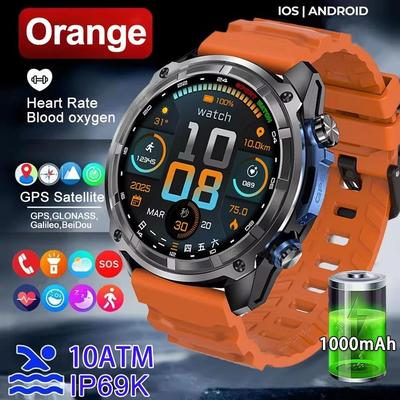
Uplift Picks Offline Map GPS Navigation Smartwatch With 10ATM Waterproof Military Outdoor Sports Watch orange gps Offline MapExplore with confidence using this powerful offline map smartwatch built for serious outdoor performance. Designed for adventurers and active users, it offers reliable navigation without needing constant connectivity. With advanced GPS navigation...277,98 $*Shipping: 0,00 $Secure redirect to the provider
-
Why do organisms get larger from trophic level to trophic level?
Organisms tend to get larger from one trophic level to the next because as energy is transferred up the food chain, there is a loss of energy at each level. This means that organisms at higher trophic levels need to consume larger quantities of organisms from lower trophic levels to obtain enough energy to sustain themselves. Additionally, larger organisms are more efficient at capturing and consuming prey, allowing them to thrive at higher trophic levels. Finally, larger organisms have a lower surface area to volume ratio, which helps them retain heat and energy more effectively. **
-
Why does the biomass decrease from trophic level to trophic level?
Biomass decreases from trophic level to trophic level because energy is lost as it moves through the food chain. Organisms at each trophic level use some of the energy they consume for their own metabolic processes, such as respiration and movement, and the rest is lost as heat. This means that there is less energy available to be passed on to the next trophic level, resulting in a decrease in biomass. Additionally, not all of the energy from one trophic level is consumed by the next level, as some is lost through waste and uneaten parts of organisms. **
-
What are trophic levels in biology?
Trophic levels in biology refer to the hierarchical levels in an ecosystem where organisms are grouped based on their feeding relationships. The primary producers, such as plants, are at the base of the trophic levels as they convert sunlight into energy through photosynthesis. Herbivores that feed on plants are at the next level, followed by carnivores that eat herbivores. Each trophic level represents a transfer of energy and nutrients through the ecosystem, with energy decreasing as it moves up the levels. **
-
What is the trophic level of omnivores?
Omnivores are organisms that consume both plants and animals, so their trophic level can vary. When they consume plants, they are considered primary consumers (herbivores) and when they consume animals, they are considered secondary consumers (carnivores). This means that omnivores can occupy multiple trophic levels within a food web, depending on their diet. **
* All prices are inclusive of VAT and, if applicable, plus shipping costs. The offer information is based on the details provided by the respective shop and is updated through automated processes. Real-time updates do not occur, so deviations can occur in individual cases. ** Note: Parts of this content were created by AI.